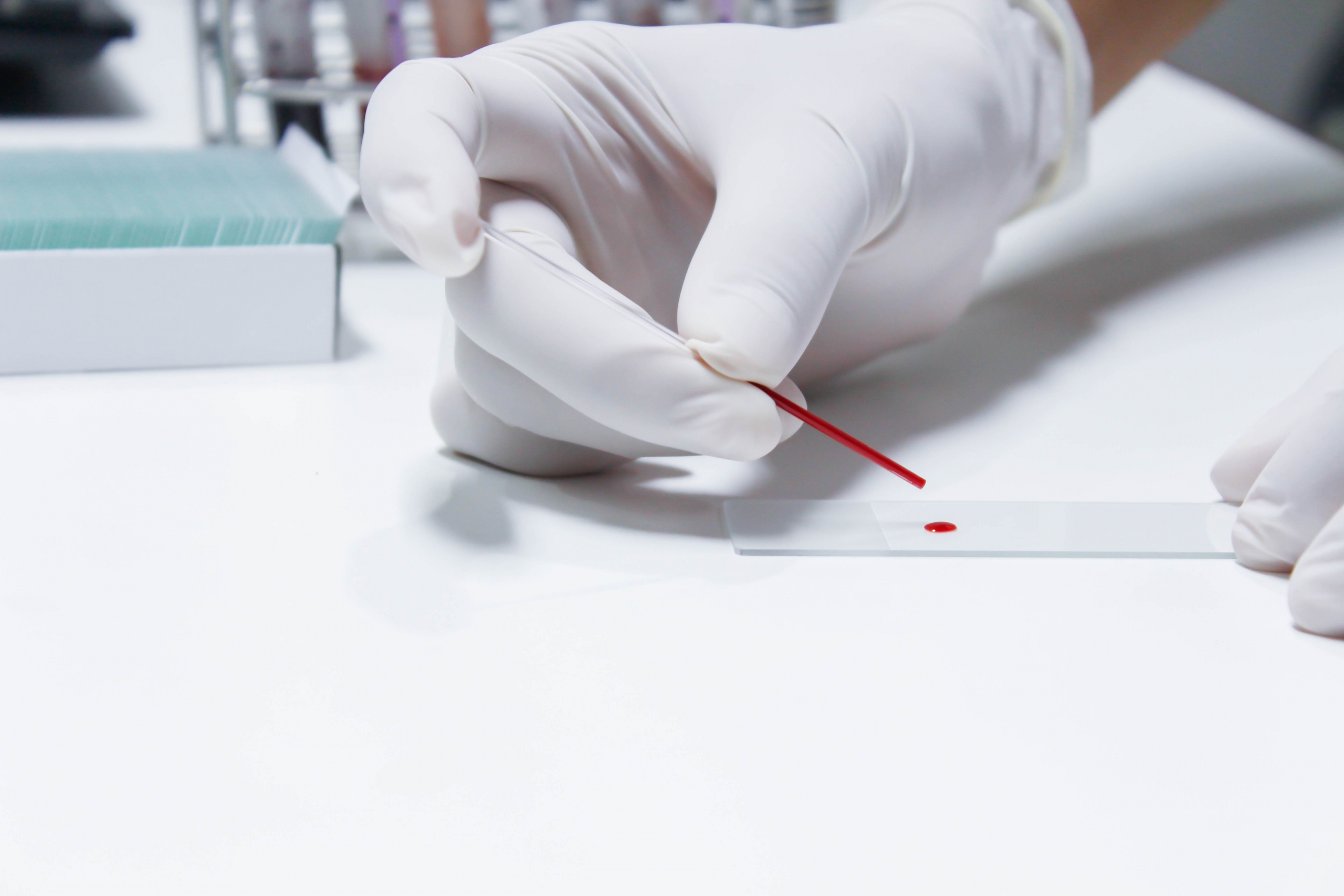
River of Life
Blood and the Making of the Human Body
Blood as Metaphor and Reality
The River of Life: Blood and the Making of the Human Body is a narrative exploration of blood as both substance and symbol. Moving from the primordial seas to the modern hospital ward, it traces how blood evolved, how it works, how it fails, and how it shapes the stories we tell about bodies, identity, and disease. The book follows blood across evolution, physiology, laboratory science, clinical medicine, religion, art, law, race, gender, and myth, showing that blood is not just a tissue but a way humans understand themselves. This digital edition on The Blood Project offers a growing selection of chapters from the book, organized as a coherent, book-like reading experience.
TABLE OF CONTENTS
Note: Once individual chapter posts are published, convert each chapter title below into a hyperlink pointing to its TBP URL.
SECTION I: ORIGINS — THE DEEP HISTORY OF BLOOD
- Primordial Soup to Blood: The First Fluids of Life
- Give Me My Nucleus Back: The Red Cell’s Radical Reinvention
- White Cells: The Body’s Quiet Republic
- Platelets: First Responders of the Blood
- The Clotting System: Architecture of a Dangerous Balance
- Plasma: The Invisible Half of Blood
SECTION II: THE HIDDEN INFRASTRUCTURE — THE ARCHITECTURE BENEATH THE RIVER
- The Marrow: The City Beneath Our Bones
- The Endothelium: The Secret Organ of the Circulation
- The Capillary: Where the River Meets the Shore
SECTION III: SEEING BLOOD — HOW WE LEARNED TO LOOK
- Back Alleys and Aqueducts: Mapping the Circulation
- Seeing Inside: How Blood Became Medicine’s Window
- Seeing Whole Blood: The Rise of the CBC
- Counting the Invisible: How Technology Created Modern Disease
SECTION IV: BLOOD BECOMES MEDICINE — THE BIRTH AND GROWTH OF HEMATOLOGY
- Letting Blood: The Rise, Reign, and Fall of Medicine’s Oldest Therapy
- The Birth of Hematology: When Blood Became a Discipline
- Turf Wars I: Who Owns the Blood?
- Turf Wars II: Claims and Counterclaims
- The Education of a Hematologist
- When Evidence Became Authority: Hematology and the Limits of EBM
- The MIT Imagination: How Science Shaped the Modern Hematologist
- What Is a Disease? The Long Search for Definition
SECTION V: THE CULTURAL BLOODSTREAM — HOW BLOOD SHAPES HUMAN MEANING
- Blood on the Edge of War
- The Many Rivers of Blood
- Blood and Religion
- Blood and Art
- Blood and Storytelling
- Blood in Law and Politics
- Blood and Race
- Blood in Gender and Sexuality
- Blood in Magic and Myth
- Blood in Modern Medical Ethics
SECTION VI: THE RIVER AHEAD — BLOOD AND THE FUTURE OF LIFE AND MEDICINE
- Return to the River: What Blood Teaches Us About Being Human
- Blood’s Future: Where Science and Story Go Next
- At the Bedside: Blood in the Lives of Patients
ABOUT THE BOOK
The River of Life braids together evolutionary biology, physiology, medical history, and the humanities into a single, panoramic story of blood. It asks both scientific and human questions: How did blood evolve from the first primitive fluids of life? Why do our cells look and behave the way they do? How did we learn to see blood under the microscope, count it, measure it, and turn it into data? How did blood become a clinical discipline in its own right? And why has blood so often been used to police identity, purity, and belonging?
Across six sections, the book moves from the origins of red cells, white cells, platelets, plasma, and the hidden architectures of marrow, endothelium, and capillaries, to the rise of circulation models, diagnostics, and laboratory medicine. It follows the birth of hematology, the long reign and fall of bloodletting, the culture of evidence-based medicine, and the ways in which blood has been contested territory between specialties.
The later sections widen the lens to examine blood as a cultural and political force: in war, religion, art, literature, law, race, gender, and mythology. The book closes by returning to the bedside, where blood’s abstractions resolve into the lives of individual patients, and where numbers on a printout carry stories of fear, hope, uncertainty, and resilience.
This digital presentation on The Blood Project offers selected chapters from the full manuscript, presented in a way that mirrors the structure and rhythm of the book.
ABOUT THE AUTHOR
William C. Aird, MD, is a Professor of Medicine at Harvard Medical School and a practicing hematologist at Beth Israel Deaconess Medical Center. He is the founder and executive director of The Blood Project, an international educational platform integrating hematology, evolutionary biology, and the medical humanities and reaching more than 900,000 users worldwide.
Dr. Aird is the author of over 200 peer-reviewed publications and two textbooks on endothelial biomedicine. His writing and teaching span physiology, history of medicine, and narrative science. The River of Life grows directly out of this work, bringing together science, culture, and story to explore blood in all its dimensions.
HOW TO READ THIS BOOK ON THE BLOOD PROJECT
You can navigate The River of Life in two ways:
- Read straight through, beginning with Section I in the Table of Contents above, or
- Dip into individual chapters based on interest—for example, the history of bloodletting, how circulation was discovered, or how blood has been used to define race and identity.
New chapters will be added over time. When a chapter is available, its title in the Table of Contents will link directly to the full text.
Continue Exploring
Learning Resources
Learn all things blood-related with Infographics, microcourses, quizzes and more
Blood Smears
Examine blood cell morphology in health and disease
Humanities and Blood
Explore blood through the prism of literature and art
Don’t Miss Out
Once a month, our newsletter will deliver the newest case-based learning resources and humanistic viewpoints straight to your inbox. Enter your name and email below.