Berentsen S, Barcellini W, D’Sa S, Randen U, Tvedt THA, Fattizzo B, Haukås E, Kell M, Brudevold R, Dahm AEA, Dalgaard J, Frøen H, Hallstensen RF, Jæger PH, Hjorth-Hansen H, Małecka A, Oksman M, Rolke J, Sekhar M, Sørbø JH, Tjønnfjord E, Tsykunova G, Tjønnfjord GE. Cold agglutinin disease revisited: a multinational, observational study of 232 patients. Blood. 2020 Jul 23;136(4):480-488. doi: 10.1182/blood.2020005674. PMID: 32374875
Clinical Questions
– Does geography and climate influence the epidemiology of cold agglutinin disease (CAD)?
– What is the definitive relationship between CAD and bone marrow clonality?
– What is the “real-world” long-term prognosis regarding mortality and vascular complications?
– What are the long-term outcomes, durability and safety profiles of treatment with rituximab plus bendamustine (BR) and rituximab plus fludarabine (FR) regimens?
Background
Cold Agglutinin Disease (CAD) occupies a distinct position within the spectrum of clonal lymphoproliferative disorders, characterized by the binding of monoclonal IgM autoantibodies to I/i carbohydrate antigens on the surface of red blood cells1. As blood moves from the warm physiological core to the cooler distal extremities, IgM transiently binds to red cells, triggering the classical complement cascade and depositing C3b on the cell surface. Upon returning to the core, the IgM dissociates, leaving behind C3b-coated erythrocytes that are subsequently cleared by hepatic and splenic macrophages ultimately resulting in chronic extravascular hemolysis2.
Despite significant mechanistic insights, the rarity of CAD (incidence of 1 per million/year) has left critical gaps in our clinical understanding of the disease3. Uncertainties remain regarding its clinical epidemiology, definitive association with underlying bone marrow lymphoproliferative disease, and natural history. Furthermore, there is a lack of long-term data following modern chemoimmunotherapy. Historically, rituximab monotherapy offers limited efficacy, with response rates of ~ 50%, rare
complete remissions, and a brief median duration of 11–12 months4,5. While the addition of bendamustine or fludarabine has been shown to improved short-term outcomes, these cohorts lacked the follow-up necessary to evaluate long-term durability or late-onset complications.6,7
The present multinational study seeks to address these deficiencies by providing a comprehensive analysis of CAD epidemiology, its relationship with lymphoproliferative disease, and the long-term safety and efficacy of contemporary chemoimmunotherapy regimens with rituximab +/- fludarabine or bendamustine.
Guidelines
Recommendations from the First International Consensus Meeting8:
– For most patients with Hg >10 g/dL without relevant symptoms or problems, watchful waiting is justified with supportive care including thermal protection for acrocyanosis, folic acid supplementation (1–5 mg/d), vitamin B12 supplementation, early treatment of bacterial to prevent hemolytic crisis, blood transfusions when indicated, thromboprophylaxis in acute exacerbations or for chronic diseases in high-risk situations (immobilization, long-distance flights, etc.).
– Rituximab, alone or in combination with bendamustine, is the best documented first-line treatment (100% agreement).
– Rituximab can be repeated as monotherapy or in combination with bendamustine or fludarabine as second line treatment. Bortezomib has also shown efficacy (100% agreement)
– In case of severe and life-threatening hemolytic anemia requiring repeated transfusions despite high dose of corticosteroids and rituximab, use of either IVIg and/or plasma exchange can be considered as a transfusion-sparing strategy (99% agreement).
– Other potentially useful agents for later lines of treatment include tyrosine kinase- or BCL2-inhibitors or complement inhibition at various levels of the complement cascade (94%-100% agreement)
Study Design
- Study Type: Multinational, retrospective, observational study
- Setting: 24 centers across five countries (Norway, Italy, UK, Finland, and Denmark). Data from Norway and the Lombardy region of Italy were used for calculations to compare CAD incidence and prevalence across different climates as these were close to being population based
Populations
- Key inclusion criteria
- Patients were classified as “confirmed CAD” if they met all of the following criteria: evidence of chronic hemolysis, a positive direct antiglobulin test (DAT), monospecific DAT positive for C3d, a cold agglutinin (CA) titer ≥64 and absence of secondary CAS as below
- Patients with “probable CAD” were still included if they met all but 1 criterion but still had additional features such as acrocyanosis, IgM kappa gammopathy, and typical bone marrow findings and were screened via consensus between 2 experts.
- Key exclusion criteria:
- Evidence of any cause of secondary CAS (such as clinically or radiologically overt lymphoma, other active cancer, or recent infection with Mycoplasma pneumoniae or Epstein-Barr virus)
- Of note, demonstration of a low-grade bone marrow LPD by histology or flow cytometry was not an exclusion criterion
- Baseline characteristics:
- N = 32 Patients
- 176 had available bone marrow biopsy histology
- 102 had flow cytometry of bone marrow aspirates evaluating kappa/lambda B cell ratios
- Mean age of 67 at disease onset and 76 at time of the study
- Male: Female ratio of 0.56
- 60% diagnosed within 1 year of clinical onset
- The mean follow-up time was 8 years from diagnosis, with some patients followed for up to 32 years.
- Comorbidities included autoimmune disease other than AIHA in 27 (11.6%), cured or inactive malignancies in 15 (6.5%), and hepatitis B or C in 6 (2.6%)
- Clinical Characteristics
- Mean Hb level was 9.3g/dL (median, 9.2; range 4.5-15.3) of which 62 (26.7%) had Hb <8, and 89 (38.4%) had Hb <10
- Median LDH 380 U/L (range 117-2026)
- Median total bilirubin 36 umol/L (range 5-136)
- Median reticulocytes 147×109 cells/L (range 13-778)
- Median total IgM 3.2 g/L (range 0.2-74)
- Median Cold agglutinin titer at 4C 512 (range: 16-819,200)
- 175 (75.9%) of patients had received 1-6 (median, 2) lines of therapy
- 104 received 1-4 lines of rituximab monotherapy
- 29 received rituximab-fludarabine per initial 2010 trial, fixed duration 4 cycles (7)
- 45 received rituximab-bendamustine per initial 2017 trial, fixed duration 4 cycles (6)
- 73 received corticosteroids
- 20 received cyclophosphamide
- 10 received bortezomib alone or in combination
- 5 had splenectomies
- 1 received BTKi (ibrutinib)
- 2 received plasmapheresis
- N = 32 Patients
Outcomes
- CAD Natural Disease History Observations
- Geographic and Climatic Influence: The prevalence and incidence of CAD appear climate-dependent, with rates fourfold higher in Norway compared to Lombardy, Italy (mean annual temperature difference of 7°C or 44.6°F).
- Phenotypic vs. Histological Correlation: 51.7% of patients presented with cold-induced circulatory symptoms, but clinical phenotype does not distinguish the presence of clonal bone marrow LPD or the likelihood of achieving a response to B-cell directed therapies.
- Folate Homeostasis: Serum folate levels remained above the lower limit of normal in 97% of patients, even without supplementation.
- Bone Marrow Characterization: Centralized histological revision identified CAD-associated LPD in ~ 70% of initial biopsies. Previous cases labeled as other lymphoproliferative disorders (e.g., lymphoplasmacytic lymphoma) were reclassified as CAD-associated LPD, a distinction supported by the absence of the MYD88 L265P mutation across all confirmed CAD-LPD samples.
- Long-Term Survival and Mortality: Estimated median survival from diagnosis is 16 years (83% 5-year survival rate), which compares competitively to the 18.4-year life expectancy of the age-matched general Norwegian population. Only 3.5% of total deaths were directly attributable to CAD or its immediate complications.
- Vascular Complications: Patients faced a slightly elevated risk of venous thromboembolism (VTE) (14 observed vs. 8.4 expected cases), but no increased risk for arterial events (stroke or myocardial infarction)
- Histologic Transformation: The risk of progression to aggressive malignancy is low; transformation to diffuse large B-cell lymphom (DLBCL) occurred in only 3.4% of patients over a median 8-year follow-up period.
- Long Term Treatment Efficacy and Safety of chemoimmunotherapy
- Treatment Efficacy
- Rituximab monotherapy: Response rate of 59%, with median duration of 15 months. 39% of patients who relapsed responded to retreatment
- Bendamustine + Rituximab (BR): Overall response rate of 78% and CR rate of 53% with median estimated response duration >88 months with 77% 5-year sustained response duration. Time to response was 1.9 months and time to best response was 7.0 months. Of note, 3 patients who did not respond in original study showed delayed responses with maximum time to response of 24 months
- Rituximab + Fludarabine (FR): Overall response rate of 62% with CR rate of 38% with 71% 5-year sustained response duration
- Corticosteroids: Overall response rate of 16%
- Splenectomy: Out of 5 patients, only 1 responded
- Bortezomib: 60% response rate in 10 total patients
- Ibrutinib: only 1 patient received, responded
- Treatment Efficacy
- Safety:
- The BR regimen was associated with a 9% rate of late-occurring malignancies compared to 31% in the FR group though this was not significant
Commentary
The large multinational cohort and close to population-based data of this study enable the authors provide valuable insights into CAD biology and treatment that have been difficult to elucidate in other studies due to overall disease rarity. One strength of the study is the validation of CAD-associated lymphoproliferative disorder (LPD) as a distinct entity. Through centralized biopsy assessment, the study demonstrates that specialized pathological review significantly improves the detection of this specific histology, distinguishing it from other LPDs though conclusions of transformation risk to high-grade lymphomas is limited. The findings regarding climate support a longstanding hypothesis in the field, revealing a fourfold increase in prevalence and incidence of CAD
in colder regions. While this might reflect a detection bias due to increased diagnosis due to colder temperatures exacerbating symptoms, it confirms the profound impact of environmental triggers on the clinical manifestation of CAD. The study also provides a necessary critique of supportive care. While international consensus groups often recommend routine folate supplementation and VTE prophylaxis, these data offer a more nuanced view. Although the study found relatively normal folate levels, the timing of these measurements (whether at diagnosis or after years of chronic hemolysis) is unclear and folate supplementation might still be warranted given the low overall risk of supplementation. Regarding thrombosis, the study identifies a slightly elevated risk for venous thromboembolism (VTE) but not arterial events, reinforcing the current practice of avoiding routine anticoagulation in the absence of high-risk settings.
While the findings highlight the ineffectiveness of traditional therapies like corticosteroids and splenectomy, the retrospective nature of this study limits the comparative assessment of more recent therapeutics, such as BTK inhibitors or complement inhibitors like sutimlimab, which have shifted the recent treatment landscape. Nevertheless, this cohort establishes several vital clinical benchmarks. The low overall mortality observed supports a “watch and wait” approach for clinically asymptomatic patients. Furthermore, the study highlights the importance of patience in clinical management, noting that time to response can be as long as 24 months. Finally, the data establishes the rituximab-bendamustine (BR) regimen as a safe and highly effective first-line option for fit patients, offering deep and durable responses with an overall low risk of secondary malignancies.
References
- Marsh WL, Jenkins WJ. Anti-i: a new cold antibody. Nature. 1960;188:753. ↩︎
- Swiecicki PL, Hegerova LT, Gertz MA. Cold agglutinin disease. Blood. 2013;122(7):1114-21. ↩︎
- Berentsen S, Ulvestad E, Langholm R, Beiske K, Hjorth-Hansen H, Ghanima W, et al. Primary chronic cold agglutinin disease: a population based clinical study of 86 patients. Haematologica. 2006;91(4):460-6. ↩︎
- Schöllkopf C, Kjeldsen L, Bjerrum OW, Mourits-Andersen HT, Nielsen JL, Christensen BE, et al. Rituximab in chronic cold agglutinin disease: a prospective study of 20 patients. Leuk Lymphoma. 2006;47(2):253-60. ↩︎
- Berentsen S, Ulvestad E, Gjertsen BT, Hjorth-Hansen H, Langholm R, Knutsen H, et al. Rituximab for primary chronic cold agglutinin disease: a prospective study of 37 courses of therapy in 27 patients. Blood. 2004;103(8):2925-8. ↩︎
- Berentsen S, Randen U, Oksman M, Birgens H, Tvedt THA, Dalgaard J, et al. Bendamustine plus rituximab for chronic cold agglutinin disease: results of a Nordic prospective multicenter trial. Blood. 2017;130(4):537-41. ↩︎
- Berentsen S, Randen U, Vågan AM, Hjorth-Hansen H, Vik A, Dalgaard J, et al. High response rate and durable remissions following fludarabine and rituximab combination therapy for chronic cold agglutinin disease. Blood. 2010;116(17):3180-4. ↩︎
- Jäger U, Barcellini W, Broome CM, Gertz MA, Hill A, Hill QA, et al. Diagnosis and treatment of autoimmune hemolytic anemia in adults: Recommendations from the First International Consensus Meeting. Blood Reviews. 2020;41:100648. ↩︎
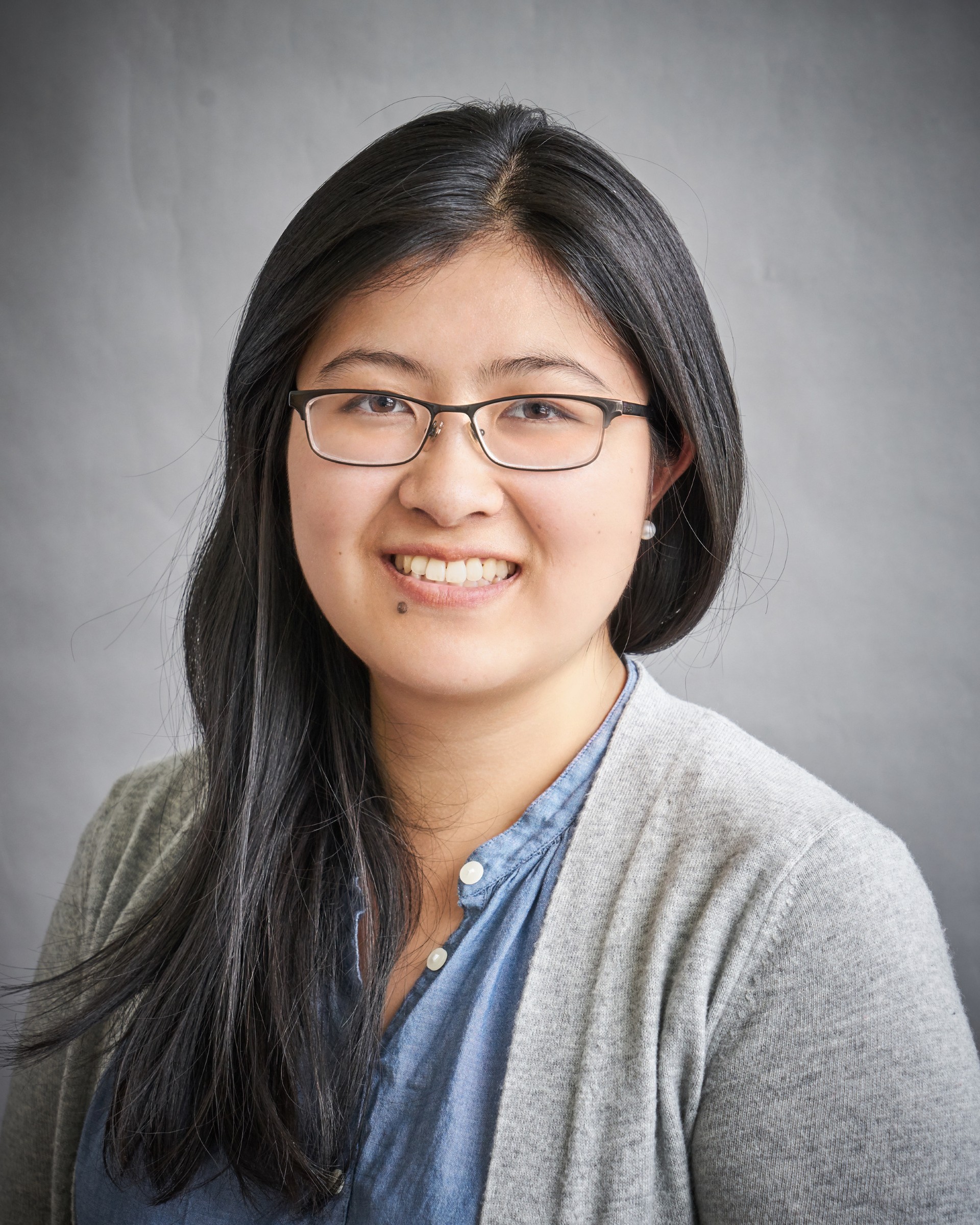
Eileen Hu, MD PhD is a hematology/oncology fellow at University of Texas Southwestern Medical Center. She completed medical and graduate school at The Ohio State University and then completed residency and is now a current hematology fellow at The University of Texas Southwestern as part of the Physician Scientist Training Program where she is now doing post-doctoral research in erythropoiesis. She has an interest in classical hematology with a particular focus in bone marrow failure syndromes.