
Giulio Bizzozero (1846–1901) was an Italian pathologist, scientist and medical researcher. Giulio was a young man in a hurry. At 27 years of age, he became Professor of Pathology at Turin.
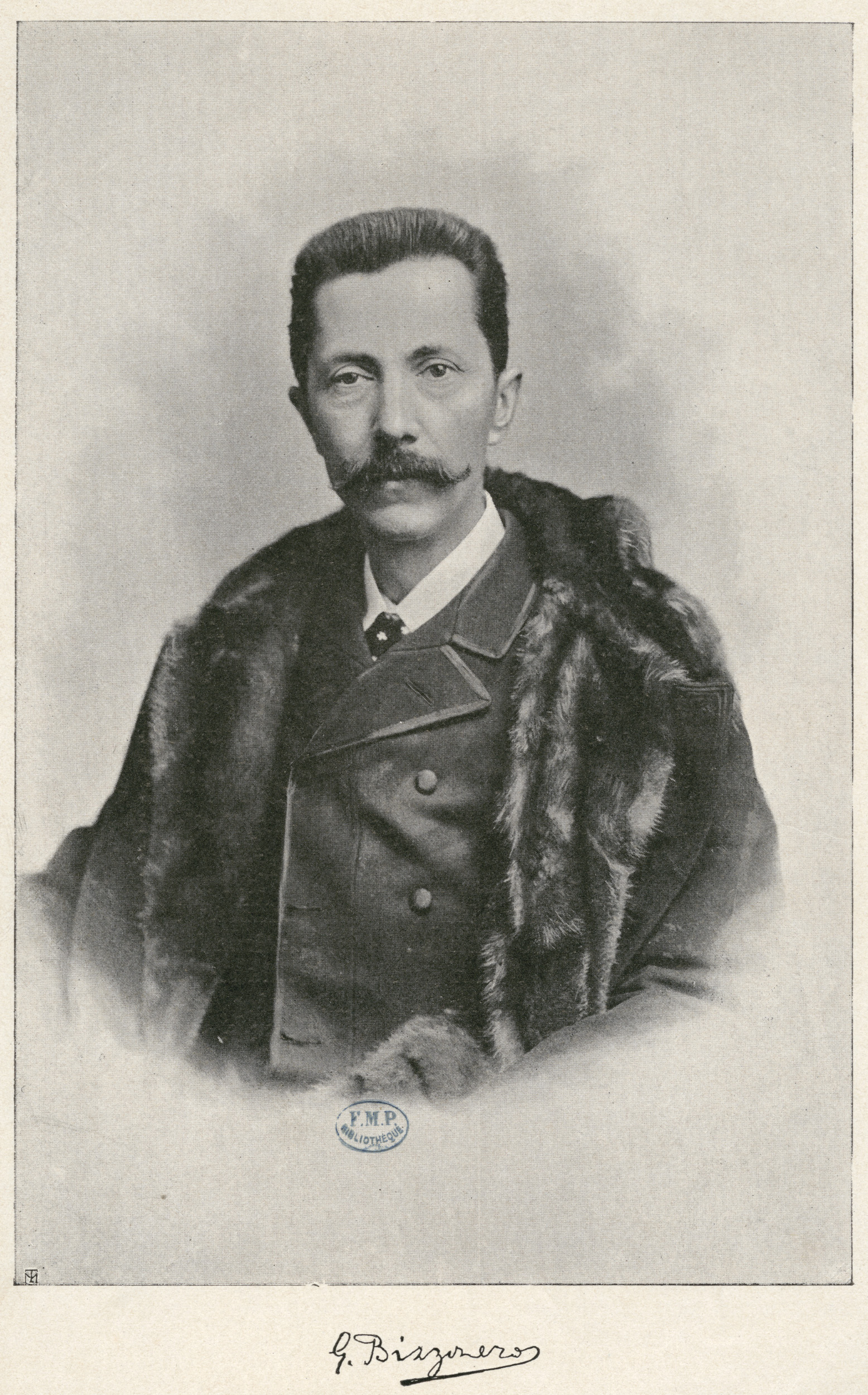
Image credit: Giulio Bizzozero (1846–1901). Image courtesy of Bibliothèque interuniversitaire de Santé, via Wikimedia Commons. Licensed under Licence Ouverte 1.0.

Many haematologists and some medical students will know that Bizzozero made major contributions to platelet morphology and function, but his journey was not easy. His name will be forever linked to Ernst Neumann (1834–1918) both having established the link between blood and bone marrow. Neumann was an established Professor whereas Bizzozero was a young medical graduate. In both cases there was opposition to their theories. Bizzozero’s observation that platelets clung to the walls of injured blood vessels was important in the understanding of thrombosis. He also described the importance of fibrin in clot formation.
The two men had completely different approaches to learning. Neumann was from Königsberg (originally in Germany but now renamed Kaliningrad and in Russia since 1946) where he spent most of his life whereas Bizzozero studied in Milan, Berlin (where he studied under Virchow), Rome, where he was assigned an honorary seat in the Senate and finally Turin, where he was appointed Professor of Pathology. Unfortunately, he died prematurely at the age of 55 years.
Prior to these men’s contributions, bone marrow was valued for its purported nutritional value. This was later shown to be due to its iron content.
So, there are many pathways to discovery, and new ideas are commonly met with opposition.
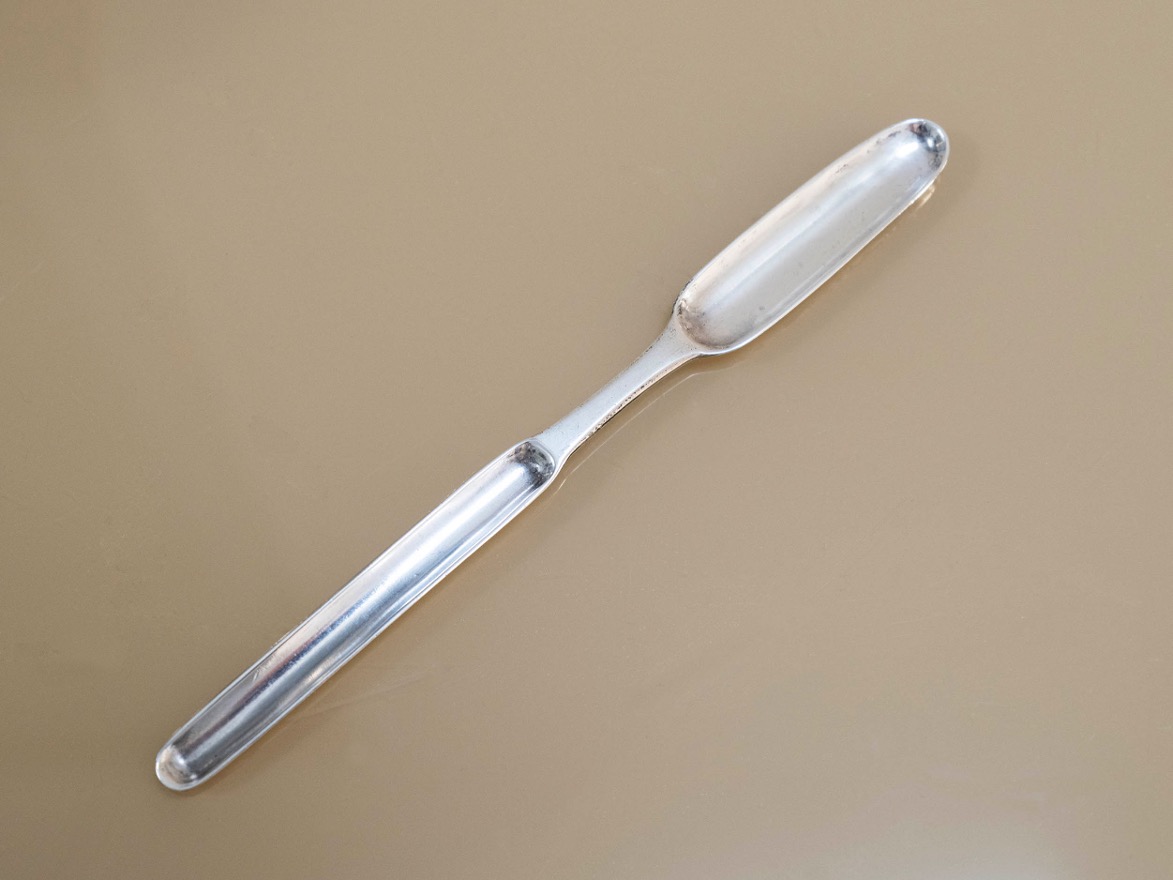
Bone Marrow Spoon
Irish 19th century silver.
Image courtesy of Professor Shaun R. McCann
Photography by Fionn McCann