
In this panel discussion moderated by Dr. Ishan Tatake, listen to three leading experts in the field of cold agglutinin disease (CAD) discuss the practical aspects of diagnosis and patient care, from interpreting complex laboratory findings to navigating treatment decisions, supportive care, and emerging therapies.
Meet the Moderator and Panelists:

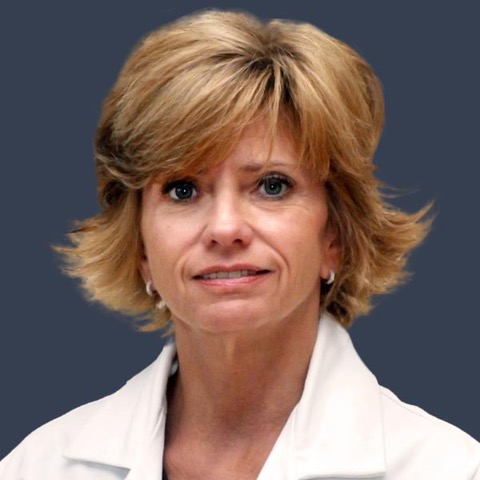

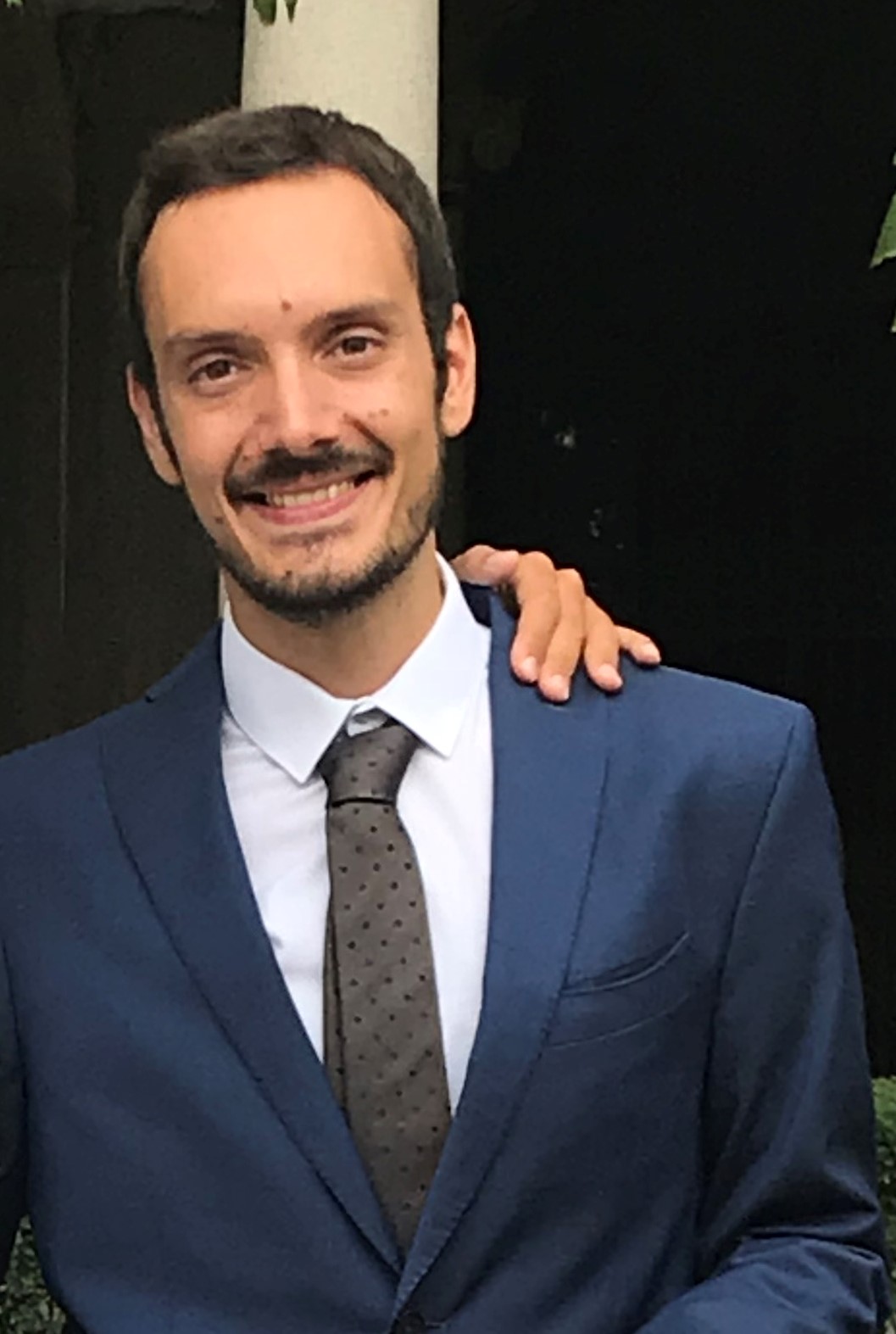
Ishan Tatake MD completed medical school at the University of Connecticut School of Medicine followed by Internal Medicine residency and hematology/oncology fellowship at the Beth Israel Deaconess Medical Center in Boston, MA. His clinical focus is in classical hematology and hematologic malignancies and his research focus is in systems-based Hematology and quality improvement.
Dr. Catherine Broome is Professor of Medicine at Medstar Georgetown University’s Lombardi Cancer Center. She is Board certified in Internal Medicine, Hematology and Medical Oncology. Dr. Broome’s clinical practice focuses on adults with benign hematologic diagnoses. She is an active teacher at the Georgetown University School of Medicine, where she also serves as a mentor to medical students through the Cura Personalis fellowship program. Dr. Broome’s research interests include the role of complement in hematologic disorders including PNH, aHUS, cold agglutinin disease and others as well as the treatment of ITP and other autoimmune hematologic disorders.
Dr. Bruno Fattizzo is a Hematologist and Assistant Professor at Policlinico Hospital and University of Milan, Italy. His clinical and research work is mainly focused on autoimmune cytopenias, autoimmune hemolytic anemia (AIHA), immune thrombocytopenia, autoimmune neutropenia, and Evans syndrome, and on bone marrow failure syndromes such as paroxysmal nocturnal hemoglobinuria (PNH), aplastic anemia, and myelodysplastic syndromes (MDS). He spent a research period at King’s College Hospital in London working on bone marrow failure syndromes and studying the clinical and prognostic implications of small PNH clones. He is author of several publications on indexed Journals and lead of clinical trials with novel drugs in AIHA, PNH, and MDS.
Dr. Yoshitaka Miyakawa is Professor of the Department of Hematology, Saitama Medical University, Saitama Japan. He brings extensive global experience across academia and industry, including prior research roles at Roche and as a postdoctoral fellow at the University of Washington. He has played a key role in clinical trials of innovative therapies across AIHA (wAIHA, CAD), ITP, TTP, aHUS, and gene therapy for hemophilia.
(Video Lecture Summary)
Beyond the Guidelines: Expert Perspectives on Cold Agglutinin Disease
This roundtable discussion brings together Drs. Catherine Broome, Bruno Fattizzo, and Yoshitaka Miyakawa for a practical, experience-based conversation about the diagnosis and management of cold agglutinin disease (CAD). Moderated by Dr. Ishan Tatake, the discussion moves beyond formal treatment algorithms to explore the gray zones clinicians encounter in daily practice: interpreting laboratory testing, deciding when to treat, managing mixed autoimmune hemolytic anemia, navigating surgery and pregnancy, balancing thrombosis and infection risk, and thinking about the future of CAD therapy.
Diagnosis requires context, not isolated laboratory values
A recurring theme throughout the discussion is that CAD cannot be diagnosed or managed using a single laboratory number in isolation. The panelists emphasize that the direct antiglobulin test (DAT), cold agglutinin titer, thermal amplitude, hemolysis markers, and the patient’s clinical phenotype must all be interpreted together. A weakly positive DAT or detectable cold agglutinin does not necessarily indicate clinically significant disease. Many individuals have circulating cold agglutinins without anemia, hemolysis, or cold-induced symptoms.
The experts stress the importance of careful laboratory technique, particularly proper warming and handling of blood samples, since pre-analytical variables can lead to misleading results. They also highlight the limitations of relying too heavily on the strength of DAT positivity (for example, “1+” vs “3+”), which varies between laboratories and lacks standardization. More important than the intensity of positivity is identifying the antibody type with monospecific antisera and integrating those findings with the broader clinical picture.
The conversation also reinforces a key teaching point in CAD: clinical severity does not correlate linearly with cold agglutinin titer. Two patients with similar titers may have dramatically different symptoms depending on factors such as thermal amplitude, complement activation, marrow compensation, and comorbidities.
Treatment decisions extend beyond hemoglobin thresholds
The panel repeatedly returns to the idea that CAD treatment decisions should be individualized and driven by patient impact rather than laboratory values alone. Although anemia and hemolysis remain central considerations, the experts argue that clinicians should pay equal attention to fatigue, functional impairment, cold-induced circulatory symptoms, emotional burden, social limitations, and quality of life.
Dr. Broome notes that many patients with CAD remain undertreated because clinicians underestimate the real-world consequences of chronic fatigue and circulatory symptoms. The discussion broadens the concept of treatment success beyond laboratory improvement to include restoration of daily functioning and participation in normal life activities.
At the same time, the panel acknowledges that not all patients require therapy. Some individuals maintain stable hemoglobin levels and experience only mild or intermittent symptoms, particularly in warmer environments. In these cases, treatment decisions may depend as much on patient goals, treatment burden, travel distance, comorbidities, and risk tolerance as on disease biology itself.
CAD management reflects its dual biology
One of the most important conceptual themes in the discussion is that CAD involves two related but distinct biological processes:
- complement-mediated hemolysis
- IgM-mediated red cell agglutination
This distinction shapes therapeutic decisions throughout the conversation. Complement inhibition effectively controls hemolysis and improves anemia, whereas circulatory symptoms arise primarily from IgM-mediated agglutination and may persist despite complement blockade.
The panelists repeatedly emphasize that clinicians must identify which biological process is dominating the patient’s presentation. This becomes particularly important in scenarios such as surgery requiring cold cardioplegia, where suppressing complement alone is insufficient because agglutination risk remains. In such cases, therapies that reduce IgM burden, including plasmapheresis or B-cell directed therapy, may still be necessary.
This same framework also guides discussion of future therapies. The experts express optimism about combination approaches that simultaneously target complement activation and the underlying B-cell clone, with the long-term goal of inducing durable remission rather than indefinite chronic therapy.
Mixed autoimmune hemolytic anemia remains diagnostically challenging
The panel discusses the complexity of patients who appear to have both warm and cold autoantibodies. The experts caution that DAT results can easily be overinterpreted and stress the importance of confirming findings with repeat testing and monospecific antisera.
In practice, most panelists initially approach true mixed autoimmune hemolytic anemia using treatment algorithms developed for warm autoimmune hemolytic anemia, typically beginning with corticosteroids and rituximab. However, they also note that the immunologic phenotype may evolve over time, requiring reassessment if the clinical course changes. Patients may initially present with mixed disease but later relapse with a predominantly cold-antibody pattern more consistent with CAD.
The discussion highlights the dynamic nature of autoimmune hemolysis and the importance of repeating diagnostic testing when the patient’s presentation no longer matches prior assumptions.
Supportive care is central to CAD management
The conversation underscores that CAD management extends far beyond selecting a primary therapy. The panel spends substantial time discussing thrombosis prevention, infection prophylaxis, surgery, pregnancy, and supportive care strategies.
The experts acknowledge increasing recognition that patients with CAD carry an elevated thrombotic risk, particularly during active hemolysis. While evidence remains incomplete, some centers use prophylactic anticoagulation during severe hemolytic exacerbations, especially when LDH is markedly elevated. The panel also cautions clinicians to maintain a low threshold for evaluating symptoms such as dyspnea for possible pulmonary embolism rather than attributing them automatically to anemia alone.
The discussion of infection prophylaxis highlights another important shift in modern CAD management. Rituximab-related immunosuppression and complement inhibition both introduce infection risks that require proactive management through vaccination, antimicrobial prophylaxis, and careful monitoring. The panelists emphasize that these risks must become part of routine patient counseling and shared decision-making.
The future of CAD therapy
The discussion closes with cautious optimism about the evolving CAD treatment landscape. The panelists highlight growing interest in BTK inhibitors, plasma cell-directed therapies, oral complement inhibitors, and potentially combination approaches that could simultaneously control hemolysis and suppress pathogenic antibody production.
They also acknowledge important unanswered questions:
- can combination therapy induce durable treatment-free remission?
- when, if ever, can complement inhibition safely be discontinued?
- which patients benefit most from B-cell directed therapy versus complement inhibition?
- can future therapies reduce both hemolysis and circulatory symptoms simultaneously?
Throughout the conversation, the experts repeatedly return to a broader point: CAD management increasingly requires individualized, mechanism-based care that integrates laboratory interpretation, disease biology, patient goals, supportive care, and evolving therapeutic options.