
In this video lecture, Professor Marc Michel discusses:
- The rationale for targeting the clonal B-cell population in cold agglutinin disease and how B-cell-directed therapies fit within the broader treatment landscape.
- Clinical evidence supporting rituximab alone and rituximab-based combination therapies, including bendamustine-rituximab, for patients with symptomatic CAD.
- Emerging and investigational approaches, including BTK inhibitors and plasma cell-targeted therapies, and how these agents may be positioned in refractory disease.
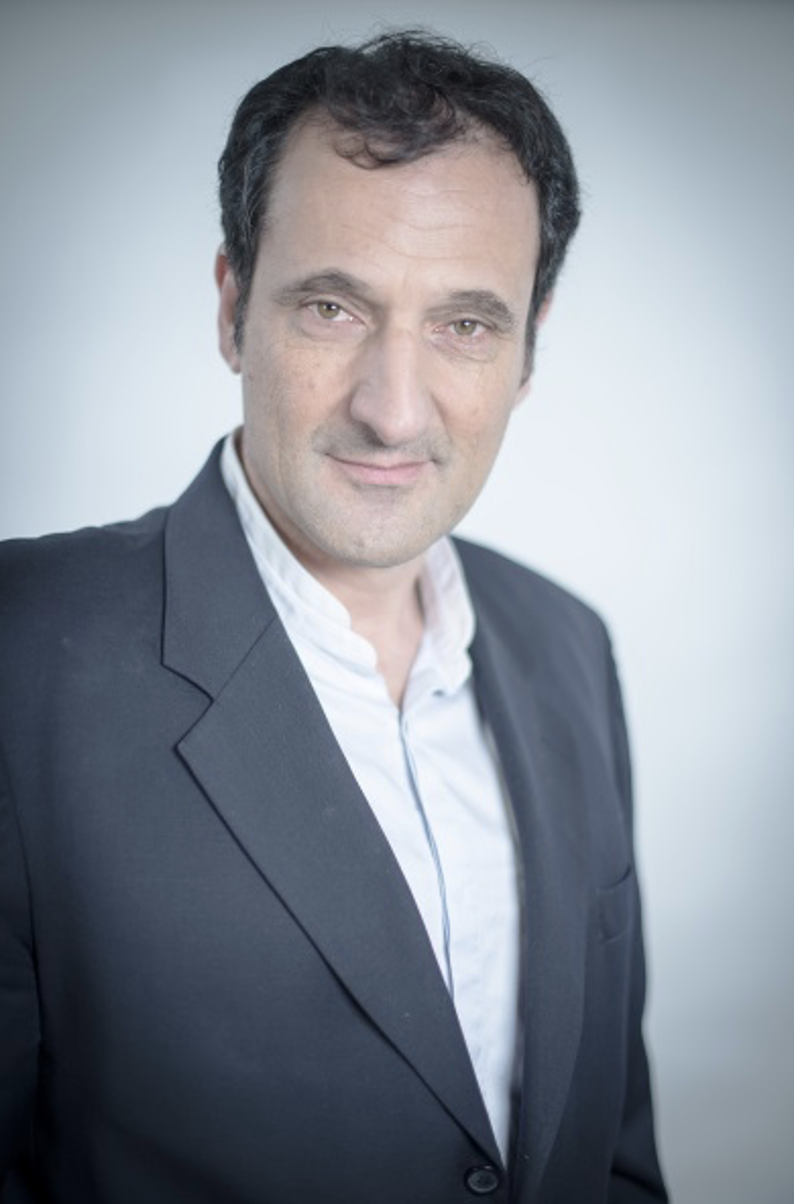
Prof. Marc MICHEL, M.D, M.Sc, is a full Professor of Internal Medicine and the Head of the department of Internal Medicine and Clinical Immunology, which is also the French national referral center for adult immune cytopenias at Henri Mondor University Hospital, Université Paris-Est Créteil, Assistance Publique Hôpitaux de Paris, Créteil, France. He is also the head of the Division of Internal Medicine—Geriatrics-Endocrinology and Emergency Unit. He did his medical school, his residency, and training in Paris (internal medicine, hematology and clinical immunology).
He spent 2 years doing research in Immunology at INSERM U25, Faculté de Médecine Necker (Pr. Jean-François Bach) in Paris and spent a year at the Platelet research center (head Prof. JB Bussel) at the New York Presbyterian Hospital, Weill Medical College of Cornell University, New York. He has a recognized clinical expertise in auto-immune diseases and especially in ITP and autoimmune hemolytic anemias. He is a recognized expert on wAIHA and CAD, has participated as an investigator to several clinical trials in immune cytopenias, and is an active member of both the European working group on thrombocytopenias and the international ITP working group. He has contributed to the development of new standards in ITP terminology and the consensual ITP bleeding assessment scale and EHA guidelines for ITP and AIHA. and He is the author or co-author of more than 200 articles many peer-reviewed articles mostly focused on adult’ immune cytopenias.
(Video Lecture Summary)
Introduction
Professor Marc Michel provides an overview of B-cell-directed therapies for cold agglutinin disease (CAD). He begins by reviewing CAD as a distinct low-grade lymphoproliferative disorder of the bone marrow characterized by a non-malignant clonal B-cell proliferation that produces a monoclonal IgM antibody. This monoclonal IgM drives both complement-mediated hemolysis and cold-induced circulatory symptoms, creating a rationale for therapies that target the underlying B-cell clone.
Pathophysiologic Basis for B-Cell-Directed Therapy
Professor Michel reviews the dual manifestations of CAD. The monoclonal IgM antibody activates the classical complement pathway, leading primarily to C3b-mediated extravascular hemolysis in the liver. In some patients, activation may extend into the terminal complement pathway, contributing to a smaller degree of intravascular hemolysis.
At the same time, IgM binding to red blood cells in cooler peripheral tissues can cause red blood cell agglutination and microcirculatory symptoms such as acrocyanosis. Because these symptoms are driven directly by the pathogenic IgM antibody rather than complement activation, therapies that reduce the clonal B-cell population may address both hemolysis and circulatory manifestations.
Rituximab Monotherapy
Professor Michel reviews the first prospective studies evaluating rituximab in CAD. These studies demonstrated that rituximab could induce clinically meaningful responses in a substantial proportion of patients. While complete responses were uncommon, approximately half of patients achieved partial responses, with a median time to response of less than two months.
Although responses were often temporary, these studies established rituximab as an effective treatment option and laid the foundation for subsequent combination approaches.
Bendamustine Plus Rituximab
Among B-cell-directed therapies, the strongest evidence supports the combination of bendamustine and rituximab. Professor Michel discusses prospective studies demonstrating overall response rates exceeding 70%, with approximately 40% of patients achieving complete responses.
Long-term follow-up showed durable remissions, with many responding patients remaining in remission years after treatment. However, the improved efficacy comes at the cost of greater toxicity, particularly neutropenia and infectious complications. As a result, patient fitness and comorbidities play an important role in treatment selection.
Other Rituximab-Based Approaches
Additional rituximab-based regimens have also been studied. Rituximab combined with fludarabine produced favorable response rates but was associated with substantial toxicity, particularly in the older patient population typically affected by CAD. Consequently, this regimen is no longer widely favored.
Professor Michel also notes retrospective reports of rituximab combined with CHOP chemotherapy, which may represent an alternative option in selected patients.
BTK Inhibitors and Novel B-Cell-Targeted Strategies
The lecture highlights emerging interest in targeting B-cell signaling pathways. Small retrospective series have reported promising responses with the BTK inhibitor ibrutinib, including rapid improvement in some patients with CAD or cold agglutinin-associated disorders.
Although data remain limited and prospective studies are lacking, Professor Michel notes that BTK inhibition may become an important option for selected patients, particularly those with refractory disease. He also mentions that data are not yet available for newer BTK inhibitors such as acalabrutinib and zanubrutinib.
Plasma Cell-Targeted Therapies
Professor Michel reviews therapies directed at plasma cells, including bortezomib and daratumumab. Bortezomib demonstrated relatively modest activity, with response rates lower than those observed with rituximab-based approaches.
Daratumumab has shown activity in small retrospective series and may represent a potential option for patients who have failed standard B-cell-directed therapies. However, evidence remains limited, and these agents are generally considered later-line strategies.
Treatment Positioning and Clinical Decision-Making
Drawing on recent French guidelines and expert recommendations, Professor Michel emphasizes that not all patients require treatment. Individuals with compensated hemolysis or mild disease can often be managed with observation and supportive measures.
For patients with clinically significant anemia, rituximab alone or bendamustine-rituximab represents the preferred first-line B-cell-directed approach. Complement inhibition may be used as a bridge in severe cases and often becomes an important option after failure of B-cell-directed therapy.
He also highlights an important principle: when hemolysis is accompanied by significant microcirculatory symptoms, therapies targeting the underlying B-cell clone may be particularly valuable because they address the pathogenic IgM responsible for those symptoms.
Conclusion
Professor Michel concludes that B-cell-directed therapies remain a cornerstone of CAD management because they target the underlying clonal B-cell disorder responsible for pathogenic IgM production. Rituximab, particularly when combined with bendamustine in appropriate patients, has demonstrated the most robust clinical evidence. Emerging therapies, including BTK inhibitors and plasma cell-targeted agents, may provide additional options for patients with refractory disease as the treatment landscape continues to evolve.