
In this video lecture, Dr. Catherine Broome discusses:
- The design, eligibility criteria, and key findings of the pivotal CARDINAL and CADENZA clinical trials that established the efficacy of sutimlimab in cold agglutinin disease.
- How inhibition of C1s and the classical complement pathway rapidly reduces hemolysis, improves hemoglobin levels, and decreases transfusion requirements.
- Evidence that complement inhibition improves fatigue through reduction of complement-mediated inflammation, independent of improvements in anemia.
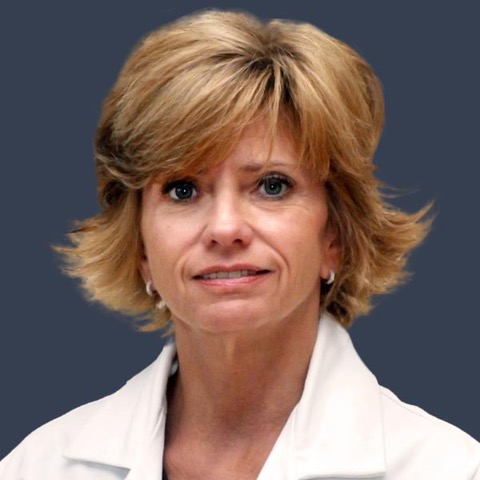
Dr. Catherine Broome is Professor of Medicine at Medstar Georgetown University’s Lombardi Cancer Center. She is Board certified in Internal Medicine, Hematology and Medical Oncology. Dr. Broome’s clinical practice focuses on adults with benign hematologic diagnoses. She is an active teacher at the Georgetown University School of Medicine, where she also serves as a mentor to medical students through the Cura Personalis fellowship program. Dr. Broome’s research interests include the role of complement in hematologic disorders including PNH, aHUS, cold agglutinin disease and others as well as the treatment of ITP and other autoimmune hematologic disorders.
(Video Lecture Summary)
Introduction
Dr. Catherine Broome reviews the pivotal clinical trials that led to the approval of sutimlimab for the treatment of hemolysis associated with cold agglutinin disease (CAD). She begins by reviewing the mechanism of action of sutimlimab, a monoclonal antibody that inhibits C1s and prevents activation of the classical complement pathway, the primary driver of hemolysis in CAD.
Mechanism of Action of Sutimlimab
The classical complement pathway is one of three complement pathways capable of generating downstream complement activation. In CAD, activation of the classical pathway results in complement-mediated hemolysis. By inhibiting C1s, sutimlimab prevents formation of the active C1 complex and effectively blocks classical pathway activation. This targeted approach directly addresses the complement-dependent hemolysis characteristic of CAD.
The CARDINAL Trial
CARDINAL was the first pivotal phase 3 study evaluating sutimlimab in patients with CAD. This global, multicenter, open-label trial enrolled patients with more severe disease, all of whom had a recent history of blood transfusion.
Twenty-four patients were treated during a 26-week treatment phase followed by a long-term extension evaluating durability and safety. Eligibility criteria included a hemoglobin level below 10 g/dL, active hemolysis demonstrated by elevated bilirubin, and a history of recent transfusion.
The primary endpoint required either normalization of hemoglobin or an increase of at least 2 g/dL without additional transfusions. Secondary endpoints included markers of hemolysis, quality-of-life measures, and transfusion requirements.
Hematologic and Quality-of-Life Improvements
Dr. Broome highlights the rapid improvements observed during CARDINAL. Bilirubin levels decreased quickly and remained suppressed throughout long-term follow-up, indicating sustained control of extravascular hemolysis.
Hemoglobin levels rose in parallel with reductions in bilirubin, demonstrating effective interruption of ongoing red blood cell destruction. Patients also experienced marked improvements in FACIT-Fatigue scores shortly after treatment initiation.
One of the most important observations from the study was that improvements in fatigue occurred before meaningful increases in hemoglobin were seen. This finding suggested that fatigue in CAD is not solely attributable to anemia and pointed to an important role for complement-mediated inflammation in symptom burden.
Complement Inhibition and Inflammation
The CARDINAL trial provided additional insight into the inflammatory consequences of complement activation. Improvements in fatigue were accompanied by reductions in IL-6 levels, a marker of systemic inflammation.
Dr. Broome notes that decreases in IL-6 occurred concurrently with improvements in fatigue scores, supporting the concept that complement-driven inflammation contributes substantially to patient symptoms. The findings expanded understanding of CAD beyond hemolysis alone and reinforced the broader clinical impact of complement inhibition.
Long-Term Efficacy and Safety
Long-term follow-up demonstrated sustained improvements in hemoglobin, bilirubin, and fatigue measures. Patients maintained responses throughout the extension period, with no evidence of diminishing efficacy over time.
The safety profile was favorable. No serious adverse events were considered related to sutimlimab. Infusion-related reactions were uncommon, and while infections occurred, no meningococcal infections were reported and serious infections were not attributed to treatment.
Because inherited deficiencies of early complement components have been associated with autoimmune disease, investigators also monitored for lupus and related conditions. No evidence of treatment-associated autoimmune disease emerged during follow-up.
The CADENZA Trial
Following the success of CARDINAL, the CADENZA trial evaluated sutimlimab in a less severely affected CAD population. This phase 3, randomized, double-blind, placebo-controlled study enrolled patients with active hemolysis and anemia but without recent transfusion dependence.
Forty-two patients participated, receiving either sutimlimab or placebo during the initial treatment period. Patients were subsequently eligible to cross over into an open-label extension.
Results from CADENZA
The findings closely mirrored those seen in CARDINAL. Patients treated with sutimlimab experienced substantial improvements in hemoglobin levels, whereas placebo-treated patients showed little change. Similarly, fatigue improved significantly among patients receiving active treatment but not among those receiving placebo. Following crossover into the open-label phase, patients who had initially received placebo demonstrated rapid improvements comparable to those seen in patients treated with sutimlimab from the outset.
Long-term follow-up confirmed sustained improvements in hemoglobin, bilirubin, and fatigue measures across both groups once treatment was initiated.
Safety Findings in CADENZA
The safety profile observed in CADENZA was generally consistent with CARDINAL. Rates of infection were similar between the sutimlimab and placebo groups. Although some adverse events such as headache, hypertension, rhinitis, Raynaud phenomenon, and acrocyanosis occurred somewhat more frequently with sutimlimab, these events were generally manageable and did not lead to treatment discontinuation.
Dr. Broome emphasizes that the study population consisted largely of older adults with multiple comorbidities and prior treatment exposure, making the overall safety findings particularly reassuring.
Clinical Impact and FDA Approval
Taken together, CARDINAL and CADENZA demonstrated that inhibition of the classical complement pathway produces rapid, durable improvements in hemolysis, anemia, transfusion requirements, and patient-reported fatigue.
The complementary results from both trials—one in more severely affected patients and the other in less severe disease—provided the evidence supporting regulatory approval. Dr. Broome concludes that these studies established sutimlimab as the first FDA-approved therapy specifically indicated for the treatment of hemolysis associated with cold agglutinin disease.